In solar energy projects, variability in generation is an ongoing operational challenge. Solar power output fluctuates due to daily weather changes, cloud cover, and seasonal shifts. For businesses and utilities, this variability can affect reliability and energy planning. Integrating a battery energy storage system into a solar installation helps address these fluctuations by storing excess energy when production is high and releasing it when production drops.
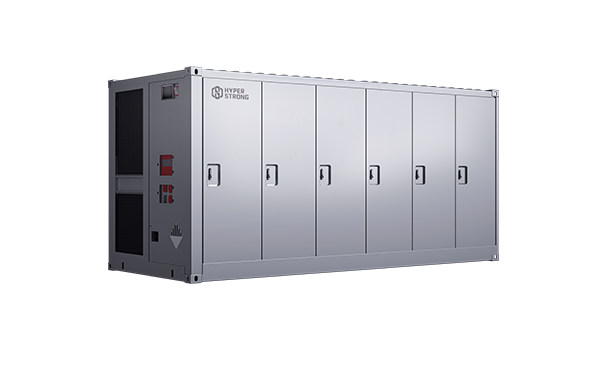
A solar installation paired with a solar battery storage system stores energy generated during peak sunlight hours and makes it available during periods of low irradiance. This approach enhances grid stability, reduces dependency on external power sources, and supports smoother energy delivery to end users. Whether the system serves a commercial facility, a residential community, or a utility grid, energy stored in batteries minimizes the mismatch between supply and demand that arises from solar generation variability.
Practical Benefits for Businesses and Utilities
Incorporating battery storage into solar generation offers measurable benefits. For commercial enterprises, storing surplus solar energy can reduce energy costs by avoiding expensive grid electricity during peak demand times. Stored energy can also serve as backup power during outages or other grid disruptions. For utilities, battery storage helps stabilize the grid by absorbing excess generation and discharging energy when demand rises quickly.
The HyperStrong portfolio includes a range of products designed for diverse applications, from residential to utility scale. For example, utility-scale systems such as the HyperBlock series provide substantial capacity and modular configuration options, supporting integration with solar arrays and grid infrastructure. These systems combine efficient battery storage with advanced management features to optimize energy flow and usage patterns.
Integrating Smart Management with Solar Generation
Advanced battery energy storage systems also include intelligent control and monitoring capabilities. These systems track charge levels, manage discharge schedules, and balance energy flow to maximize performance. By automating these processes, a solar battery storage system ensures that available solar energy is used efficiently, contributing to more predictable output and easier planning for energy managers.
Conclusion
Variability in solar generation no longer needs to be a barrier to reliable energy use. A solar battery storage system, such as those offered by HyperStrong, enables businesses and utilities to smooth out the peaks and troughs of solar output. By storing excess solar energy and releasing it when needed, companies can enhance energy reliability, lower operational costs, and build more resilient power infrastructures.
