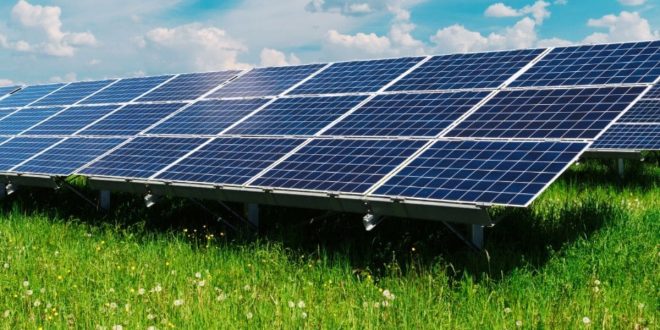
The journey of solar power grid technology has been marked by significant milestones that reflect both technological advancements and shifts in societal attitudes toward renewable energy. Initially, solar energy was harnessed primarily for small-scale applications, such as powering calculators and small devices. The first photovoltaic (PV) cells were developed in the 1950s, but their high costs limited widespread adoption.
However, as the global energy crisis of the 1970s unfolded, interest in alternative energy sources surged. Governments and private entities began investing in research and development, leading to the establishment of solar power as a viable energy source. As the decades progressed, the technology behind solar panels evolved dramatically.
The introduction of thin-film solar cells in the 1980s and 1990s offered a more cost-effective alternative to traditional silicon-based panels. This period also saw the emergence of grid-tied solar systems, which allowed homeowners and businesses to connect their solar installations directly to the electrical grid. This innovation not only facilitated the sale of excess energy back to the grid but also enhanced the overall efficiency of energy distribution.
By the early 2000s, advancements in inverter technology further improved the integration of solar power into existing grids, enabling better management of energy flow and enhancing system reliability. As solar adoption grew, interest in solar battery storage
also increased, helping households and businesses store excess energy for later use.
The Role of Energy Storage in Solar Power Grids
Energy storage plays a pivotal role in optimizing solar power grids, addressing one of the most significant challenges associated with solar energy: its intermittent nature. Solar power generation is inherently variable, dependent on factors such as time of day and weather conditions. To mitigate these fluctuations, energy storage systems, particularly batteries, have become essential components of modern solar power grids.
These systems allow excess energy generated during peak sunlight hours to be stored and utilized during periods of low generation, ensuring a consistent and reliable power supply. The development of advanced battery technologies, such as lithium-ion batteries, has revolutionized energy storage capabilities. These batteries are not only more efficient but also have longer lifespans compared to traditional lead-acid batteries.
For instance, Tesla’s Powerwall has gained popularity among residential users for its ability to store solar energy for later use, effectively allowing homeowners to become more self-sufficient. Furthermore, large-scale energy storage solutions are being deployed in utility-scale solar farms, enabling grid operators to balance supply and demand more effectively. This integration of energy storage with solar power grids is crucial for enhancing grid resilience and facilitating a smoother transition to renewable energy sources.
The Impact of Smart Grid Technology on Solar Power
Smart grid technology represents a transformative shift in how electricity is generated, distributed, and consumed. By incorporating digital communication and automation into the electrical grid, smart grids enhance the efficiency and reliability of energy systems. For solar power grids, this technology offers numerous advantages, including improved monitoring and control of energy flows.
Smart meters enable real-time data collection on energy consumption patterns, allowing both consumers and utilities to make informed decisions about energy use. Moreover, smart grid technology facilitates demand response programs that can optimize energy consumption based on availability. For example, during periods of high solar generation, utilities can incentivize consumers to increase their usage through lower rates or rebates.
This not only helps balance the load on the grid but also maximizes the utilization of renewable energy sources. Additionally, smart grids can integrate various distributed energy resources (DERs), such as rooftop solar panels and battery storage systems, creating a more decentralized and resilient energy network. The synergy between smart grid technology and solar power is paving the way for a more sustainable and efficient energy future. Communities such as Bassendean, WA have increasingly explored smart grid applications as part of broader renewable energy initiatives.
Advancements in Solar Panel Efficiency
The efficiency of solar panels has seen remarkable improvements over the years, driven by ongoing research and technological innovations. Early solar cells had efficiencies below 10%, but modern panels can achieve efficiencies exceeding 20%. This increase is largely attributed to advancements in materials science and engineering techniques.
For instance, multi-junction solar cells, which layer multiple semiconductor materials to capture a broader spectrum of sunlight, have achieved efficiencies above 40% in laboratory settings. Another significant advancement is the development of bifacial solar panels, which can capture sunlight from both sides of the panel. This design allows for increased energy generation by utilizing reflected light from surrounding surfaces.
Additionally, innovations in anti-reflective coatings and light-trapping technologies have further enhanced the performance of traditional monocrystalline and polycrystalline panels. As manufacturers continue to invest in research and development, the trend toward higher efficiency solar panels is expected to persist, making solar power an increasingly attractive option for both residential and commercial applications.
Integrating Solar Power into Existing Grid Infrastructure
Integrating solar power into existing grid infrastructure presents both opportunities and challenges for utilities and grid operators. One of the primary considerations is ensuring that the grid can accommodate the variable nature of solar generation without compromising reliability. This requires upgrades to transmission lines and substations to handle increased loads from distributed solar installations.
Additionally, utilities must develop strategies for managing peak demand periods when solar generation may not align with consumer usage patterns. To facilitate this integration, many regions are adopting advanced grid management systems that utilize data analytics and predictive modeling. These systems can forecast solar generation based on weather patterns and historical data, allowing utilities to optimize their operations accordingly.
Furthermore, regulatory frameworks are evolving to support the integration of renewable energy sources into the grid. Policies such as net metering and feed-in tariffs incentivize homeowners and businesses to invest in solar installations while ensuring fair compensation for their contributions to the grid. As these efforts continue to evolve, the integration of solar power into existing infrastructure will play a crucial role in transitioning toward a more sustainable energy landscape.
The Future of Solar Power Grid Technology
The future of solar power grid technology is poised for significant transformation as advancements continue to emerge at a rapid pace. One promising area is the development of decentralized energy systems that empower consumers to generate their own electricity through rooftop solar installations or community solar projects. This shift toward localized energy production not only enhances energy security but also fosters greater community engagement in renewable energy initiatives.
Moreover, innovations in artificial intelligence (AI) and machine learning are set to revolutionize how solar power grids operate. These technologies can analyze vast amounts of data from various sources to optimize energy distribution in real-time. For instance, AI algorithms can predict fluctuations in solar generation based on weather forecasts and adjust grid operations accordingly to minimize disruptions.
Additionally, as electric vehicles (EVs) become more prevalent, their integration into solar power grids will create new opportunities for energy storage and demand management. Vehicle-to-grid (V2G) technology allows EVs to discharge stored energy back into the grid during peak demand periods, further enhancing grid resilience.
Overcoming Challenges in Solar Power Grid Integration
Despite the promising advancements in solar power grid technology, several challenges remain that must be addressed for successful integration into existing infrastructure. One significant hurdle is the need for substantial investments in grid modernization. Upgrading aging infrastructure to accommodate increased renewable energy sources requires financial resources and political will from both public and private sectors.
Another challenge lies in regulatory frameworks that may not fully support the rapid deployment of solar technologies. In many regions, outdated policies can hinder the growth of distributed generation systems or create barriers for consumers looking to invest in solar installations. To overcome these obstacles, stakeholders must collaborate to develop comprehensive policies that promote renewable energy adoption while ensuring grid stability.
Additionally, public perception plays a crucial role in shaping the future of solar power integration. Misinformation about solar technologies or concerns about their reliability can deter potential adopters. Education campaigns aimed at informing consumers about the benefits of solar power and dispelling myths surrounding its use are essential for fostering acceptance and encouraging widespread adoption.
The Economic and Environmental Benefits of Solar Power Grids
The economic benefits of solar power grids are multifaceted, impacting both individual consumers and broader economies. For homeowners who invest in solar installations, significant savings on electricity bills can be realized over time. In many cases, government incentives such as tax credits or rebates further enhance these financial benefits, making solar power an attractive investment option.
On a larger scale, the growth of the solar industry has created numerous job opportunities across various sectors, including manufacturing, installation, maintenance, and research and development. According to reports from organizations like the International Renewable Energy Agency (IRENA), employment in the renewable energy sector has been steadily increasing, with millions of jobs created globally as countries transition toward cleaner energy sources. From an environmental perspective, solar power grids contribute significantly to reducing greenhouse gas emissions and mitigating climate change impacts.
By displacing fossil fuel-based electricity generation, solar power helps decrease air pollution levels associated with traditional energy sources. Furthermore, as more regions adopt renewable energy technologies like solar power, they contribute to global efforts aimed at achieving sustainability goals outlined in international agreements such as the Paris Agreement. In conclusion, as we look ahead at the evolution of solar power grid technology, it is clear that ongoing advancements will continue to shape our energy landscape for years to come.
The integration of innovative solutions such as smart grids and advanced storage systems will enhance efficiency while addressing challenges associated with renewable energy adoption. With concerted efforts from governments, industries, and communities alike, we can harness the full potential of solar power grids to create a sustainable future that benefits both our economy and our environment.