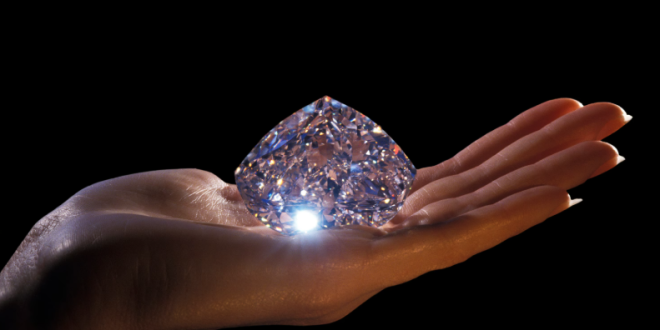
The luxury-ownership connection is facing its most significant redefinition in generations, powered largely by millennial and Gen Z consumers whose values, economic realities and tech savvy are shaping how society thinks about owning, using and circulating luxury jewelry. This new generational tectonic push is far more than a shift in trend, it signals deeper trends toward materialism, sustainability, financial pragmatism — and the meaning of luxury itself in our lives today.
The Access Economy Mindset
Millennials and Gen Z grew up in the era of Uber, Airbnb, Spotify, Netflix — platforms built on the philosophy of access over ownership. This mindset of “access economy” drastically modified typical standards among younger generations and their material possessions. Why own when you can access?
This ethic carries over into luxury jewelry in surprising fashion. Instead of striving for a definitive collection that shows taste and can be worn forever (the boomer model), the younger consumer is thinking about jewelry as momentarily available, pieces that pass through life rather than anchor it. A millennial may acquire a Cartier bracelet, wear it for two years and then sell it — using platforms like Bkk Diamond to finance their next desired piece.
This model of circulation horrifies the older generation, to whom luxury was something you could have and pass on, forever. But to the digital native, it sounds like an ideal solution: maximize experiences, and variety of them, within a restricted budget by treating luxury as fluid rather than fixed. The possession becomes stewardship and not a lifetime hold over it.
Financial Pragmatism Over Status Signaling
Young people, those of the millennial and Gen Z generations in particular, are confronting a set of economic conditions drastically less favorable than past generations: student loan debts that keep many from even applying for loans, wages that have stagnated compared to cost of living, pricey housing markets and skepticism about the means by which traditional financial security is achieved. These conditions produced a ferocious financial pragmatism that carries over to extravagance.
Previous generations often bought luxury jewelry to signal status — to show others (and themselves) that they had succeeded. Millennials and Gen Z still care about status, but they balance their desire for it against ruthlessly financial calculations. Which is: Is this jewelry worth what else it could go towards? Is this money capable of earning better returns if invested elsewhere? Am I prepared to give up some financial flexibility for this item?”
This mental framework also encourages younger consumers to be OK with selling luxury jewelry if they need cash, or because they have found a better opportunity — behavior earlier generations considered déclassé or failure. To millennials and Gen Z, selling isn’t waving the white flag; it’s reallocating resources.
This financial pragmatism, interestingly, doesn’t necessarily translate into less luxury for younger consumers — but they’re buying it differently. They shop more thoughtfully, do a better job of considering where strong resale value is to be found in the era’s pieces, and try to steer clear of the retail markup by shopping in secondary markets — while keeping rough mental ledgers on exactly what they might get for a piece at its outset.
Sustainability as Luxury Authentication
Perhaps no other generation gap is as stark, though, as attitudes toward sustainability. For boomers and Gen X, sustainability was an also-ran consideration. For millennials and especially Gen Z, it’s a core value — a real one that actually changes purchasing behavior.
This environmental awareness is what’s pushing younger consumers into the secondary luxury markets. Buying used jewelry from reputable dealers is sustainability silver (or gold): luxury without new mining, consumption minus the resource extraction, beauty that doesn’t deliver an environmental gut-punch. Younger consumers consider ethically superior what their forebears might have seen as ‘used’ or substandard.
This shift transforms status considerations. The Jordan system was set up, and those kids didn’t care about the newness of shoes nearly as much as they did where, how and from whom it came. Announcing to your friends that you bought an estate Tiffany piece can show off not only financial acumen but environmental consciousness — arguably, yes, a higher status play than buying new retail.
The sustainability dimension also has an impact on sales decisions. Younger consumers feel empowered to get rid of luxury pieces because they can frame it as returning items to circulation, preventing new production, and contributing to circular economy — not just owning new stuff but being a participant in responsible consumption systems.
The Transparency Demand
Millennials and Gen Z expect a level of transparency in every type of business that has never before been required—a demand that cuts particularly deep into luxury jewelry markets. They have a question: What’s the actual value of material? What are fair market prices? What markup am I paying? What are ethical sourcing practices?
Its insistence on this degree of transparency has some deep market effects. Opaque pricing strategies that were good for generations (high retail markups based on vague references to “craftsmanship” and “brand value”) increasingly work against these producers with younger consumers who can immediately look up comparable pricing online, know gold spot prices and calculate X per-ounce material costs themselves.
SOME OF Bkk Diamond’s younger clients like to get “no-nonsense” explanations on matters such as pricing components, margin structures and market factors from professionals whenever they come in. Rather than dismissing business realities, millennials and Gen Z appreciate candor and are skeptical of institutions that obscure how value is established.
It’s equally true in the realms of authentication and certification. More youthful consumers now demand documentation, certified verification, clear provenance and third-party validation. Trust-me guarantees that worked for older clients don’t cut it — younger buyers seek systems and processes leading to facts you can prove.
The Minimalism Movement
Marie Kondo’s decluttering philosophy and larger minimalism movements are hugely appealing to millennials and Gen Z who say no thank you to accumulation-as-achievement in favor of curated simplicity. This bodes poorly for jewelry possession.
Rather than putting together a massive wardrobe, younger shoppers favor smaller groups of pieces they really love and wear often. This pickiness is what allows them to feel fine selling jewelry that does not check these boxes — even pieces that are objectively worth a lot, or are of great prestige. If it doesn’t “spark joy” or fit with current lifestyle, life is too short to store it.
It’s in fact counter-intuitive – getting rid of the unnecessary is how there is more luxury consumption down the line – selling off clothing that goes unworn cushions one’s coffers towards future purchasing that fit current needs better. It’s possible to own only three pieces at a time, and yet cycle through dozens over the course of a decade — to experience more variety and hold onto just what you actively enjoy.
Minimalism trend also limits attachment to inherited jewelry. Predecessing generations might not have that option; no matter how they personally felt about a family piece, they often had few options but to keep it if tact or tradition demanded. “Personally, I think there is a sea change happening — both because millennials are more comfortable converting inherited jewelry into cash and reworked pieces they would wear,” says Mimi Holaday, the manager of archive and special collections at Fred Leighton. This is not disrespectful; it’s forthright about what actually pays tribute to memory as opposed to what leaves the bereaved feeling guilty about unworn clothes.
Technology-Enabled Market Participation
The technological fluency of Millennials and Gen Z quite simply completely reframes how these generations engage with the jewelry marketplace. They can:
Tracking real-time prices of gold and diamonds on smartphones
Get secondary market prices from various websites
Confirm certificates and authentication via electronic data systems
Instantly compare offers from several buyers
Professional documenting and photographing jewelry for sale
The WF-XB700 fit seamlessly on online selling platforms
This technical proficiency minimizes information asymmetry, which had greatly benefited dealers in the past. While expertise still counts — technology can’t replicate gemological knowledge or authentication prowess — the raw knowledge gap is quickly disappearing.
Younger sellers come to dealers like Bkk Diamond already informed about the approximate value, and current market conditions, fair pricing ranges. And what it does is turn the dynamic from “uninformed seller needing expert advice” to “informed seller seeking confirmation and transaction facilitation”—a shift that increased—even in absence of existing mechanism for internalizing information into market prices—efficiency and trust when dealers accepted rather than rejected.
The Influencer Economy Impact
Social media and the influencer culture are chipping away at how millennials and Gen Z see luxury jewelry ownership. For younger consumers, who live in an era of digital documentation culture in which possessions are rarely private and become public content, assets—and the sources of capital behind them—are treated with less reverence.
This is what makes the jewelry liquidity dynamics so interesting. Items that photograph well and engage in conversation are worth more, while those that don’t lose interest despite levels of inherent quality. A special vintage piece with a story of its own as a conversation starter is worth more in Instagram content than the price it commands on the resale market — and therefore, these items are often good to buy even if you’re unsure about resale value.
Same way: once an art object has been as exhaustively Instagrammed, its informational value expires. Which is why selling jewelry to fund a new piece that can be used for new content as your follower base grows makes sense in this logic — everything has a “content lifecycle” and after which the act of selling and replacing maximizes both financial and social capital.
Influencers themselves model liquidity of jewelry, often wearing different pieces in content—sometimes disclosed as purchased, sometimes loaned or available on the secondary markets. That visibility normalizes jewelry circulation and shows it is not the case that prestige means you have to hold on to something forever.
The Experience Priority
Studies continually find that millennials and Gen Z care more about experiences than possessions, at least to a greater extent than their older peers. That plays out in the jewelry choices that people are making when deciding to part with jewelry for experiences — travel, education and adventures over things.
This priority reversal would stun our elders who invested in jewelry collections specifically to ensure that they themselves did not operate solely in the realm of transience. But for many younger consumers, memories and experiences have offered a sense of satisfaction that possessions frequently do not. Selling a $5,000 bracelet in order to take a transformational trip is clearly logical — the impact of the trip exceeds the use value of the jewelry.
This prioritization of experience also shapes which jewelry younger consumers buy. They want pieces with a story behind them —estate jewelry from interesting periods of time, dbrochy items with historical significance —things that relate to experiences as opposed to just showing off wealth. This taste propels secondary market interest, for estate pieces usually have more narrative appeal than new retail stock.
The Debt Aversion Factor
But with lifetimes of student loan debt, both millennials and Gen Z are less comfortable with consumer debt than previous generations — scarred by the 2008 financial collapse and its aftermath. This aversion of debt encourages them to sell assets (even jewelry), to avoid carrying credit card balances or other high interest rate debt.
Previous generations may have hoarded jewelry while racking up consumer debt, thinking that the jewelry was somehow decoupled from general financial good sense. For younger consumers, everything is considered an asset and liability — if selling jewelry allows them to avoid or eliminate their debt, it’s strictly a way to optimize their capital without any consideration of sentiment.
The Temporary Identity Model
the very way millennials and Gen Zers conceptualize identity is different from that of previous generations. Instead of fixed, stable identities forged early on and maintained consistently across a lifetime, young people increasingly see identity as fluid and evolving — as changing in response to the circumstances around them, the stages they move through and their own self-discoveries.
That such identity fluidity can extend to possessions. A piece of jewelry that perfectly articulated identity at 25 might feel incorrect at 30 — not because the jewelry changed but our identities did. Millennials and Gen Z are less interested in holding on to things that no longer reflect current identity (as the previous generation did), more inclined to simply sell those pieces, buy others that capture better who we’ve become.
This isn’t fickle or superficial — it’s an honest acknowledgment that people change and what we possess should too. Jewelry is incorporated into what identity can wear, rather than being the steady bedrock of identity; as such, circulation of jewelry is fine instead of suspect.
The Collaborative Consumption Ethos
Both are young people who share in the growing trend of collaborative consumption – sharing, swapping, renting and circulating goods among communities. Jewelry’s value makes traditional sharing a nonstarter, but the ethos lives on in quick buys and sells that keep pieces moving through various owners.
This creates peer communities in which jewelry is not hoarded so much as circulated — someone sells the piece they’ve grown out of; a fellow community member buys it, and then sells it to someone else. This churn keeps diversity high and access wide within communities where it would be impossible for everyone to purchase new luxury items at the same time.
It’s a circulation made easier by online communities, with millennials and members of Gen Z increasingly comfortable buying from or selling to strangers — something that would have struck previous generations as unacceptably risky. Technological, review and platform guarantees allow for enough trust for these peer-to-peer luxury transactions to be able to take off and thrive.
Conclusion: Liquidity as Luxury Redefined
Millennials and Gen Z are not forsaking luxury — they are redefining it. Luxury now increasingly equals fluidity, sustainability and experience-enablement and self-expression rather than permanent possession and status notification. Access to jewelry is repositioned from last-resort necessity, a luxury strategy in the face of limited budgets and a way to act on environmental and financial values.
This generational shift is a blow to classical luxury business models but a boom for dealers and platforms that get and enable this alternative relationship to luxury ownership.’ Instead of pushing back against younger consumers’ demand for liquidity, transparency and circulation, the forward-thinking professionals are embracing it — understanding that jewelry’s liquid ability to be sold, circulated and reallocated doesn’t diminish its luxury so much as redefine it in bracingly high-def terms for generations who prize access and flexibility above permanent possession.
“The future of luxury jewelry does not look like trying to force younger generations into an ownership model largely designed by one’s grandparents, but in accommodating the business models and values that support the fluid, conscious and pragmatic relationship with luxury that we know millennials and Gen Z have” — a relationship where liquidity in jewelry is not a bug but a feature, where circulation doesn’t signal failure but sophistication.
