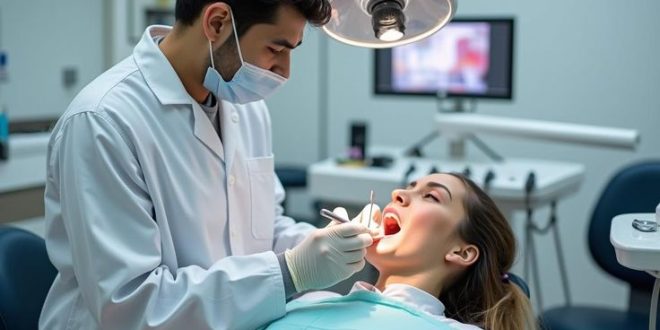
You can never truly expect emergency and dental emergencies, which very often involve pain, stress, uncertainty and panic. A dental emergency can arise due to various reasons, such as a toothache in the middle of the night, a broken tooth from accidentally biting into something hard, or an injury to the mouth during sports activities. The goal of emergency dental care is to provide immediate treatment for urgent oral health issues that require attention as soon as possible so that patients can get relief while avoiding severe consequences.
Comprehending Dental Emergencies
Not every dental condition demands immediate intervention, but some should never be overlooked. Dental emergencies that are prevalent include extreme tooth pain, knocked-out teeth, broken teeth, dental abscess, profuse bleeding, and injuries to the gums or jaw.
If not treated, these conditions can quickly take a turn for the worse. So, for example, untreated over time, it can spread to the other tissues, or a rotten tooth can become more complicated and harder to save with the passage of time. Identifying when a dental emergency has occurred and getting professional help whenever needed can save not only oral health but also well-being.
Learn Why In Any Emergency, Dental Care, Time Is Vital
Speed is one of the key elements in emergency dentistry. Giving speedy treatment often tips the chances of retaining natural teeth and reducing long-term damage.
Knocking out a tooth is truly as serious an issue as it sounds, so knowing how to handle emergencies immediately after they happen can make all the difference in how easy (or difficult) it is to re-implant that tooth! Likewise, immediate treatment of a chipped or broken tooth can help prevent the damage from advancing deeper into the structure of a tooth.
Another important advantage of Urgent dental care is Pain control. The frequency of severe dental pain could create a hindrance to eating, sleeping and following daily activities. Prompt treatment is important here as it aims to treat the underlying cause instead of just masking the symptoms.
Common Causes Of Dental Emergencies
A dental emergency can be caused by something. Dental trauma is often caused by sports injuries, slips and falls, motor vehicle accidents or workplace accidents. But oral health problems can also be the cause of emergencies.
Cavities that were not treated can become painful infections. Older dental restorative work like fillings or crowns can crack without you even trying. Loose teeth or other complications can occur due to gum disease. Cracks and fractures also stem from chewing hard foods, using your teeth to open packages and other habits.
That is why knowing these risks allows us to appreciate the importance of good oral hygiene, as well as periodic visits to the dentist.
How Professional Emergency Care Can Help
If temporary home care measures provide short-term relief, professional assessment is still necessary. Dentists know how to diagnose the root of the issue and have equipment that can help treat it properly.
Depending on the particular situation, possible treatments will range from repairs of damaged teeth or implants to addressing an infection, replacing a lost restoration and soft tissue injuries. Thanks to modern dental technology, most emergency procedures can be completed quickly and comfortably.
Dental treatments from a dentist in Bowral allow many patients who need dental treatments to get the needed access to fast care, which focuses on both immediate relief and long-term oral health outcomes. Professional treatment is designed to make sure the underlying problems are treated and not just covered over.
Preventing Future Dental Emergencies
There is a good chance everything you hoped would be avoided never happened. A mouthguard is also protective during sports-related activities against dental injuries. This way, you can avoid hard objects (like ice) or scorpions and use scissors instead of teeth to open packages.
Dental check-ups on a regular basis often help in the prevention aspects. Dentists are often able to catch problems whilst they may not be critical. Most of the time, considering early intervention helps to decrease the chance of encountering pain, infection and unerased dental ramifications.
By brushing and flossing regularly, as well as limiting sugary foods, you will be giving your teeth and gums the best chance to stay strong.
Conclusion
In fact, emergency dental care is an essential part of maintaining oral health in the wake of unforeseen problems. Prompt treatment can alleviate pain, avoid adjustments to teeth, and enhance the chances of preserving affected teeth. Regardless of whether it is a simple matter that you can treat at home, or involves trauma, infection or rapid onset of significant discomfort, your best chance for a good result is to acquire professional care as soon as possible. Individuals can protect their smiles and maintain optimal dental health in the future by knowing those indicators of a dental emergency and acting quickly.