Engineers often approach renewable power projects by evaluating the intersection of generation capacity and demand requirements. When designing a reliable solar battery storage system, technical teams must account for site-specific constraints such as peak load demands and available mounting space. Proper conceptualization involves creating a framework that balances power availability with the longevity of the storage media.
Core Technical Considerations
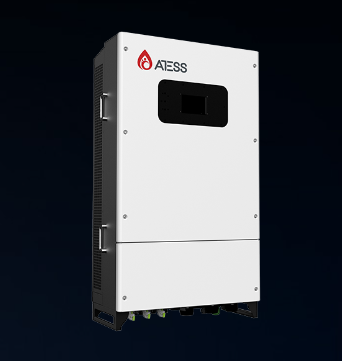
Central to any robust installation is the configuration of the battery energy storage system. Designers focus on the discharge rate, which dictates how quickly energy can be extracted during periods of high usage. Atess provides modular components that allow for scalable designs, ensuring that the hardware supports the specific throughput necessary for the site. By optimizing these connections, the physical setup remains compact while delivering the required electrical performance.
Thermal management serves as another critical design pillar. A solar battery storage system requires effective heat dissipation to protect the integrity of the internal cells. During the design phase, planners integrate ventilation pathways and cooling systems to prevent temperature spikes. This attention to physical layout ensures that the energy units operate efficiently, even when exposed to fluctuating ambient conditions throughout the operational cycle.
Integration and Stability Protocols
Reliable energy flow necessitates precise coordination between the inverter, the controller, and the storage bank. Atess develops interface solutions that allow for real-time data exchange, enabling the system to react quickly to grid fluctuations or variations in solar input. An effective battery energy storage system architecture minimizes energy conversion losses, which improves the overall efficiency of the entire installation.
Engineers must also consider the protection mechanisms required to handle potential surges or faults. Each solar battery storage system includes monitoring equipment designed to isolate the storage unit if abnormal voltage or current is detected. This safety-first approach to design creates a stable environment for long-term energy management. For those interested in viewing the technical specifications for these components, information is available at their website regarding various power capacity options and physical footprints for different project scales.
Summary of Design Objectives
Designing energy infrastructure requires careful balance and technical precision. By prioritizing effective thermal regulation and clear integration protocols, developers create systems that reliably meet their intended power objectives for years.
