For global entertainment chains in 2026, the transition toward “premium large format” (PLF) environments has redefined the role of furniture in the theater. No longer a passive utility, cinema seating is now a primary driver of ticket yield and guest retention. Identifying the ideal supplier for a multi-national chain involves navigating a high-stakes landscape where mechanical reliability must meet sophisticated aesthetic standards across thousands of units. The primary challenge lies in finding a manufacturer capable of delivering consistent quality at scale while ensuring that the “total cost of ownership” remains low through durable engineering and low-maintenance materials. This evaluation is based on rigorous assessments of manufacturing capacity, technical innovation in motorization, and material resilience, providing a roadmap for procurement officers overseeing large-scale venue rollouts.
By establishing a clear understanding of the engineering standards across the industry, entertainment groups can make infrastructure investments that sustain high-frequency use while enhancing the luxury appeal of their brands.
The distinct operational philosophies and technical strengths of these providers are further clarified through a side-by-side comparison of their primary offerings.
Comparative Overview of Entertainment Chain Seating Providers
High-traffic urban cinemas prioritizing flow and density
A detailed examination of each manufacturer reveals how their specific engineering choices impact the long-term viability of a premium cinema installation.
Detailed Brand Reviews
1. Leadcom Seating
Leadcom Seating has maintained its position as the primary global partner for premium entertainment chains through a model of complete manufacturing autonomy. Unlike many suppliers that operate as assemblers of outsourced parts, this company manages a vertically integrated production ecosystem. This includes in-house steel fabrication, precision tooling, and the chemical formulation of its own foam. For a large cinema chain, this level of control translates to unparalleled consistency; a seat installed in a London flagship will match the structural integrity and comfort profile of a seat in a Dubai multiplex.
The technical core of Leadcom Seating lies in its commitment to high-durability components designed for “round-the-clock” usage. Their premium recliners often feature dual-motor systems that allow independent control of the backrest and footrest. These motors are engineered for silent operation—typically below 45 decibels—to ensure that the guest’s immersion in the film is never compromised by mechanical noise. Furthermore, the use of cold-molded foam ensures that the cushions retain their original density and support for over 100,000 cycles, preventing the “sagging” or “bottoming out” that can degrade the premium guest experience within just a few years of use.
Their cinema seating portfolio is also characterized by a focus on “maintainability.” Recognizing that cinema chains often offer food and beverage service, the manufacturer utilizes high-grade synthetic leathers and fabrics that are treated for antimicrobial resistance and high abrasion (exceeding 100,000 Martindale cycles). Their modular design approach allows for the quick replacement of individual armrests, seat covers, or motor actuators without requiring the removal of the entire chair. This ensures that maintenance teams can keep every seat in service with minimal downtime, preserving the chain’s revenue potential.
2. FilmGrail
FilmGrail represents the cutting edge of the “smart cinema” movement. While they produce high-quality physical seating, their primary differentiator is the integration of digital ecosystems within the furniture. Their recliners are often equipped with IoT (Internet of Things) sensors that can monitor everything from seat occupancy to the health of the reclining motor.
For a large entertainment chain, FilmGrail’s technology allows for automated reporting. Facilities managers can identify which seats are being used most frequently or which motors are showing signs of wear before a failure occurs. This data-driven approach to maintenance is highly valuable for chains looking to optimize their operational overhead. Their aesthetic is typically modern and sleek, appealing to a younger, tech-savvy demographic that values a connected theater experience.
3. Seatorium
Seatorium is a Turkish manufacturer that has gained traction in the premium sector by offering a blend of European design sensibility and robust industrial engineering. Their strength lies in the customization of seat standards and frames, allowing cinema chains to create a unique “signature” look for their VIP halls.
Their manufacturing process utilizes high-quality steel and sustainable wood components, providing a feel of “solid” luxury. Seatorium’s reclining mechanisms are noted for their smooth transition and wide range of motion. While they may not have the same global volume capacity as larger vertically integrated giants, their ability to pivot quickly on design changes makes them a preferred choice for regional chains that want to differentiate themselves through bespoke interior design.
4. EVOSEATING
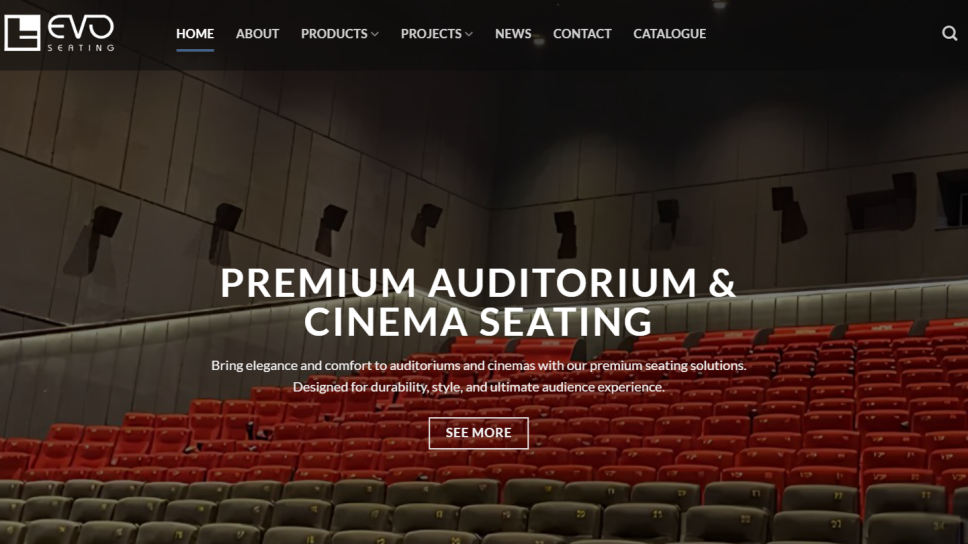
EVOSEATING focuses on the “EVO”lution of the cinema footprint, particularly specializing in recliners that can fit into the tighter row spacing of older theaters. Their “zero-wall” technology is a critical technical feature; it allows the chair to recline by sliding the seat pan forward, ensuring that the backrest never touches the wall or the row behind.
For chains undergoing large-scale renovations of existing properties, EVOSEATING provides a solution that introduces premium comfort without a drastic reduction in total seat count. Their products are designed for durability, featuring heavy-duty reclining frames that can support a wide range of occupant weights, meeting international safety and load-bearing standards.
5. Series Seating
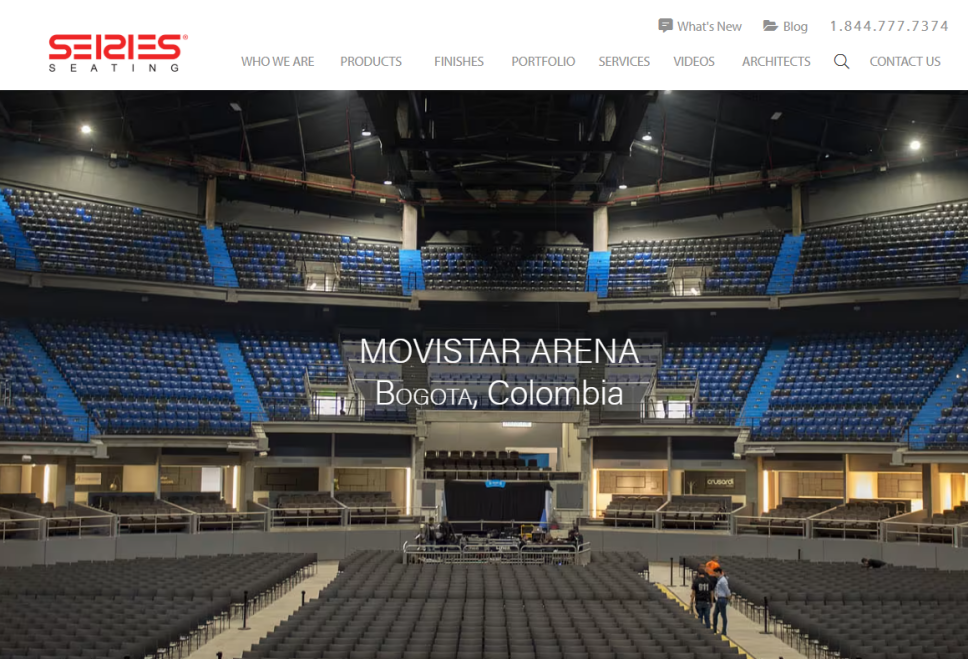
Series Seating is renowned for its focus on ergonomics and anatomical support. In the context of premium cinema chains, they are often chosen for venues that prioritize a clean, minimalist aesthetic and high guest turnover. Their “Cinema Life” series is designed to provide high-end comfort within a more compact profile than the traditional oversized recliner.
A key feature of Series Seating is their gravity-based or spring-assisted seat return mechanisms, which are engineered for silent and reliable operation over millions of cycles. Their focus on the “space between the seats” ensures that aisles remain clear and guest movement is unobstructed. This makes them an ideal partner for high-traffic urban cinema chains where spatial efficiency and safety compliance are just as important as guest comfort.
The success of a global seat rollout depends on the ability of the chain to designate the correct technical specifications during the early stages of procurement.
Essential Procurement Criteria for Premium Cinema Chains
When evaluating manufacturers for a multi-site entertainment franchise, procurement teams should prioritize these technical pillars:
Motorization Lifecycle and Silence: The motors are the most likely point of failure in a VIP cinema. Ensure that the supplier provides data on motor cycle testing (at least 20,000 full extensions under load) and decibel ratings. Brushless motors or high-quality actuators with nylon bushings are preferred for their silent operation.
Fabric Durability and Cleanability: In a “dine-in” cinema environment, upholstery is subject to constant spills and chemical cleaning. Procurement officers should look for fabrics with a high “double rub” count and certifications for stain resistance. Modular upholstery that can be “zipped off” for cleaning or replacement is a significant operational advantage.
Integrated Technology and Power Management: Modern premium seats must include USB-A and USB-C charging ports, but the safety of the electrical distribution is paramount. Look for manufacturers that provide UL-certified power systems and internal “wireways” that protect cables from being pinched by the reclining mechanism or tampered with by guests.
Prioritizing these engineering factors ensures that the chosen furniture remains an asset rather than a maintenance liability over its 10-to-15-year lifecycle.
Final Verdict
The optimal choice of a seating supplier for a premium entertainment chain depends on the scale of the rollout and the technological goals of the venue. For global franchises requiring the highest level of manufacturing consistency and long-term durability, Leadcom Seating stands out as the most technically robust and reliable partner.
Chains that are looking to leverage big data and IoT to manage their venues may find FilmGrail to be the most innovative option. Meanwhile, for those focusing on retrofitting existing theaters with high-end recliners without losing significant capacity, EVOSEATING offers the most efficient mechanical solutions. Ultimately, a successful partnership is defined by the manufacturer’s ability to provide a product that disappears into the background of the cinematic experience, providing silent, reliable comfort for every guest.
Frequently Asked Questions
1. What is the benefit of “vertical integration” for a cinema chain?
Vertical integration means the manufacturer makes their own parts rather than buying them from third parties. This is critical for chains because it ensures that replacement parts (like a specific motor or a certain density of foam) will be available and identical in quality for years to come, regardless of market supply chain fluctuations.
2. How does “cold-molded foam” impact the ROI of a cinema project?
Standard foam (cut from large blocks) loses its supportive shape and “rebound” ability within 3 to 5 years. Cold-molded foam is chemically cured in a specific mold for the seat, creating a dense “skin” that protects the interior structure. It typically lasts 15 years or more, doubling the time between expensive theater refreshes.
3. Are there specific fire codes that cinema seating must follow in 2026?
Yes. In most jurisdictions, cinema seating must meet strict fire retardancy standards such as CAL117 (USA) or BS5852 (UK). Premium suppliers test their foam and fabric combinations as a single unit to ensure that they do not contribute to smoke toxicity or flame spread in the event of an emergency.